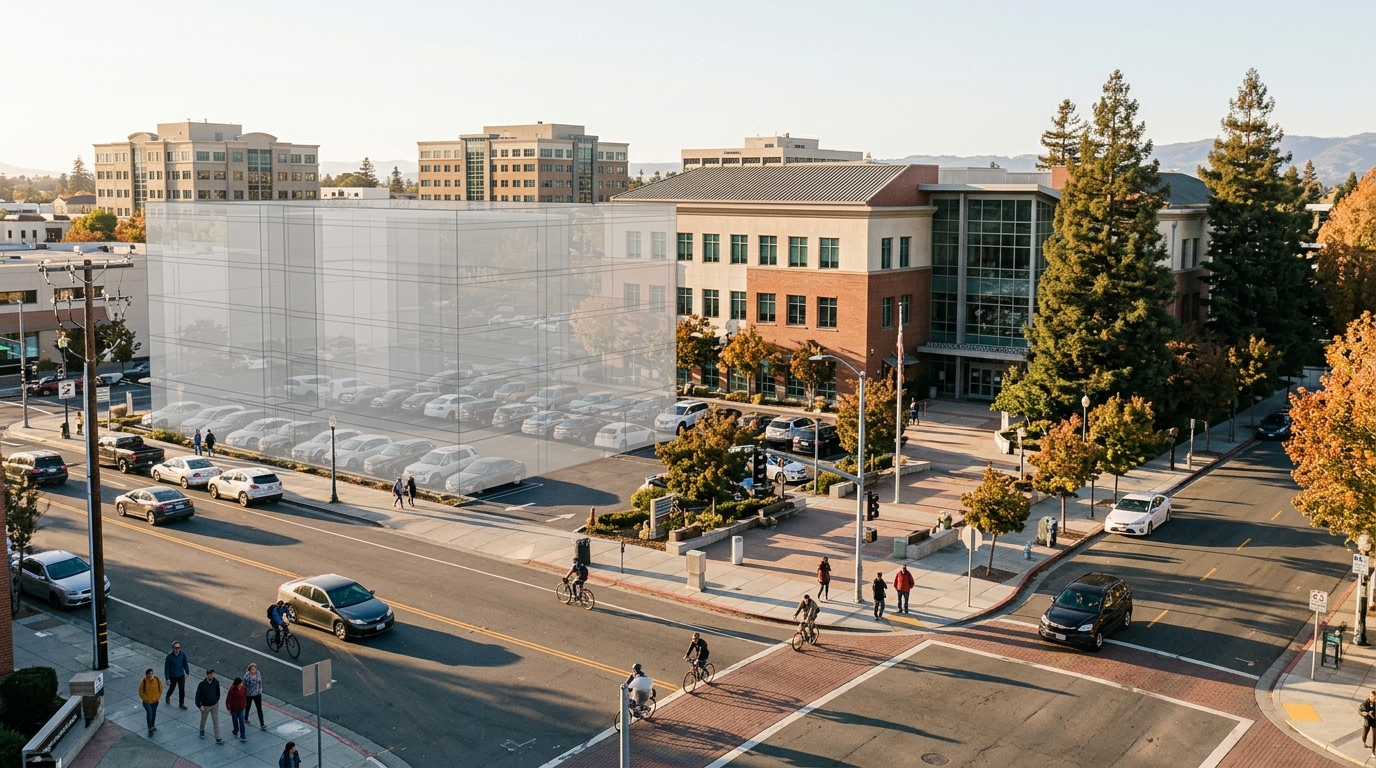
The Redwood City Library Lot B housing 2026 discussion has moved into a new public-input stage. Redwood City is asking residents what they want to see if the Downtown Library parking lot is eventually redeveloped.
The City held a community open house on October 6. Residents who could not attend still have time to participate because the online survey remains open through October 20.
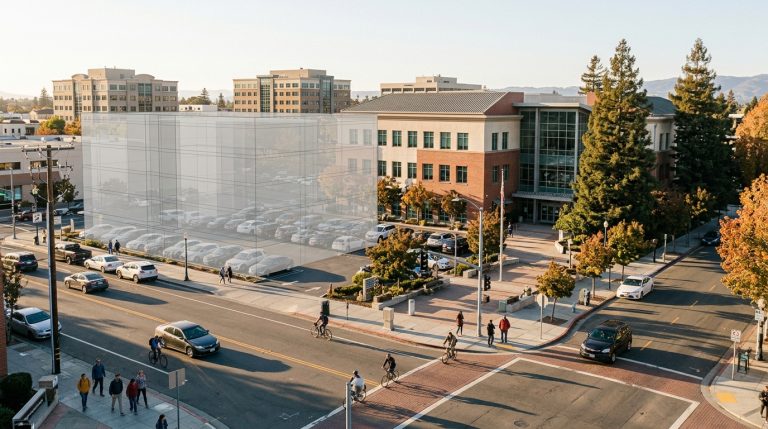
The site is known as Library Parking Lot B and is located at 1016 Middlefield Road beside the Downtown Library. The City is exploring a future 100% affordable housing development that could also include public parking and other uses.
However, this is not an approved construction project. No developer has been selected. A final building design, unit count, parking plan, and construction schedule have not been determined.
This guide explains what the City is considering, why parking is part of the discussion, and what residents should watch after the survey closes.
What the Redwood City Library Lot B Housing 2026 Proposal Actually Means
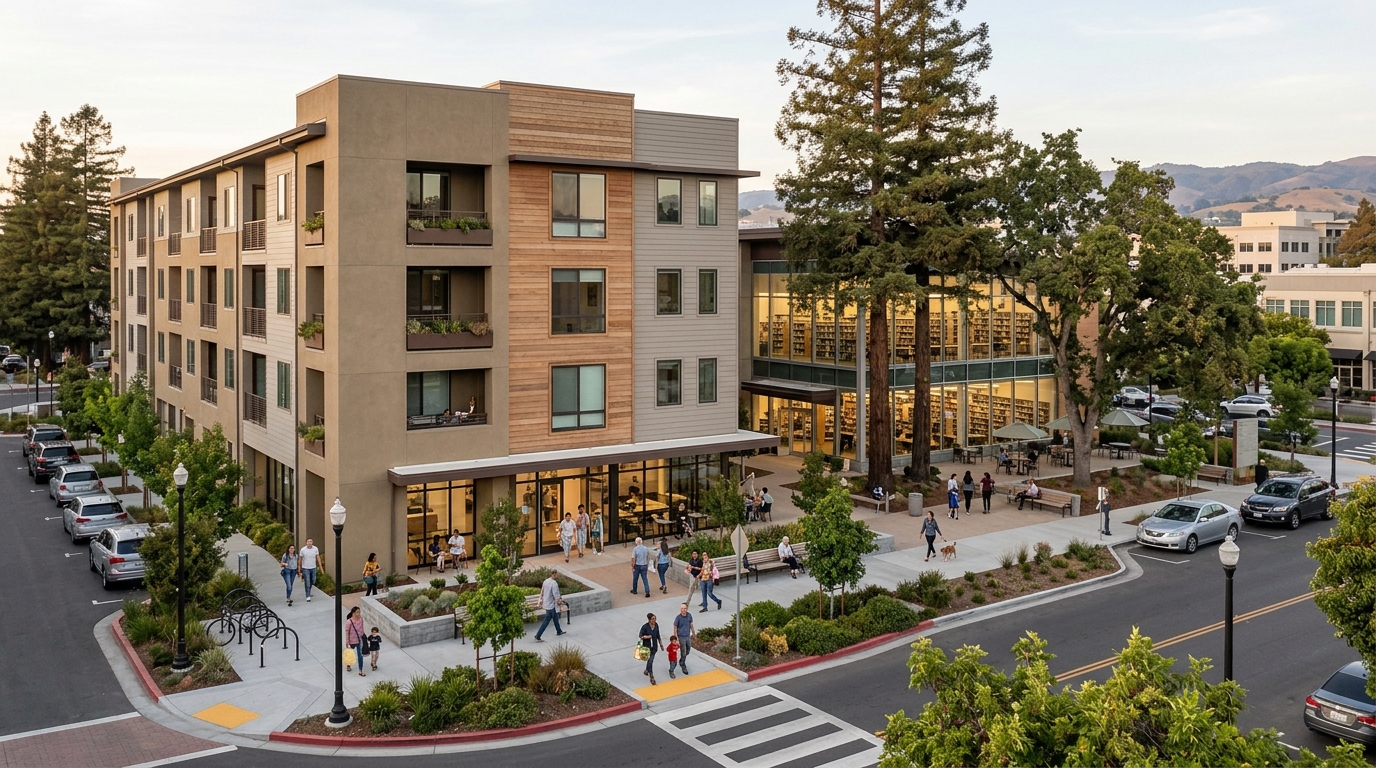
Library Lot B is one of several City-controlled properties being studied as Redwood City looks for ways to expand affordable housing.
The property sits in a central Downtown location near the library, City Hall, restaurants, services, transit, and other community destinations.
That location gives the site several advantages for housing. Future residents could reach many daily needs without making every trip by car.
The same location also creates difficult questions. The property currently serves as public parking for the Downtown Library and nearby destinations.
Redwood City is therefore asking residents about more than housing. The current outreach includes questions about public parking, complementary uses, and other priorities for the property.
Why Redwood City Is Exploring the Library Parking Lot Now
Housing remains one of Redwood City’s largest long-term challenges. The Peninsula has high housing costs, limited land, and strong demand for homes close to jobs and transportation.
Publicly owned property can give a city more control over how a future housing project is structured. Instead of waiting for a private land sale, Redwood City can decide whether its own land should support a public goal.
City-owned land can also reduce one major development cost. Land prices on the Peninsula can make affordable housing difficult to finance.
That does not make a project simple. Affordable housing still requires design work, financing, approvals, construction funding, and an experienced development team.
No Developer or Final Housing Project Has Been Approved
This is the most important point for residents to understand.
The City is not asking people to review a finished apartment project. It is gathering input before choosing the priorities that could guide a future development process.
No developer has been selected. The City has also not approved a final building, parking structure, unit mix, height, or site layout.
That means images or numbers discussed during early planning should not be treated as final plans.
The City plans to summarize community feedback and return to the City Council before moving into later redevelopment steps.
Our earlier Redwood City affordable housing 2026 guide explained this distinction when Library Lot B was still an early concept. The current survey shows that the idea has advanced, but it has not reached the construction stage.
The Earlier 70 to 104 Home Concept Is Still Only a Starting Point
In May 2026, Redwood City discussed an initial concept for the site that could provide roughly 70 to 104 affordable homes.
That early concept also aimed to preserve a significant amount of public parking and include limited space for City use.
Those numbers help residents understand the possible scale. They do not lock the City into a specific unit count.
A future developer could propose a different design after community priorities, site conditions, financing, parking needs, and development rules receive more study.
Even after a developer is eventually selected, the project would still need additional approvals before construction could begin.
Residents should therefore avoid saying that Redwood City is “building 104 apartments at the library.” A more accurate description is that the City is studying a potential fully affordable housing project at Library Lot B.
Parking and Downtown Access Are Central to the Discussion
Library Lot B currently serves people visiting the Downtown Library and other nearby destinations.
That makes parking one of the most visible questions in the redevelopment discussion.
The City is specifically asking residents how much public parking they believe should remain as part of a future project.
This does not necessarily create a choice between all housing or all parking. A future design could place housing above or beside parking, depending on feasibility.
Structured parking can preserve spaces on a smaller footprint. However, garages are more expensive to build than surface parking.
Those costs can affect the overall housing budget. Every design decision therefore involves tradeoffs.
Library Access Would Remain an Important Design Issue
The Downtown Library is located at 1044 Middlefield Road. Library Lot B sits next to this important public facility.
Residents use the library throughout the week for books, technology, study space, children’s programs, meetings, and other services.
A future development would need to consider how people continue reaching those services during and after construction.
The City has said the library will remain open throughout the redevelopment process. That does not mean parking and walking routes would never change during future construction.
Alternative parking already exists elsewhere Downtown. Redwood City operates garages, surface lots, street parking, and other public parking options.
Still, distance matters. A parking space several blocks away does not serve every library visitor in the same way as a space beside the building.
Older adults, families with young children, and people carrying books or other materials may have different access needs.
Those practical concerns are part of why the City is gathering feedback before defining a final development program.
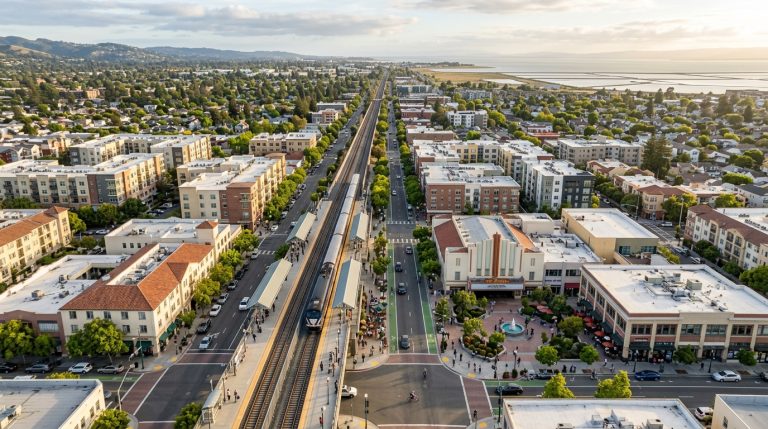
Residents interested in the larger changes happening around Downtown should also read our Greater Downtown Area Plan guide. Housing, public spaces, parking, walking routes, and transit access are all connected parts of Redwood City’s long-term Downtown planning.
What Residents Should Watch After the October 20 Survey Deadline
The survey deadline does not mark the end of the project. It closes one early stage of community engagement.
After October 20, City staff can review the responses from the online survey and the October 6 open house.
The City says it will summarize that feedback and present the findings to the City Council before moving forward.
The next stages could include defining development priorities, completing required public-land procedures, and eventually seeking proposals from qualified affordable housing developers.
Each step takes time. Residents should not expect construction to begin simply because the survey closes.
A Future Development Process Could Take Several Years
Affordable housing development usually involves several layers of work.
First, the City needs to determine what it expects from the site. That can include affordability levels, approximate housing capacity, parking, public uses, and design goals.
Next, the City may seek a developer. A selected team would then need to refine the design and create a realistic financing plan.
Affordable projects often combine several funding sources. These may include local money, state programs, tax credits, loans, and other housing funds.
Land-use approvals and building permits would follow at later stages. Environmental review or other technical studies may also apply.
Only after those pieces come together could construction move toward a realistic start date.
This slower timeline can be frustrating when people hear that a city has identified a housing site. However, site identification is very different from a construction notice.
How to Give Input Before October 20 and Follow the Next Steps
Residents who missed the October 6 open house can still participate through the City’s online survey until October 20.
When responding, focus on specific priorities. For example, explain why a certain amount of public parking matters to you rather than simply saying that parking is important.
Residents can also comment on complementary uses, public space, library access, walking connections, and other features they believe should be considered.
After the survey closes, watch future City Council agendas and Redwood City housing updates. Those sources will show when the project reaches another decision point.
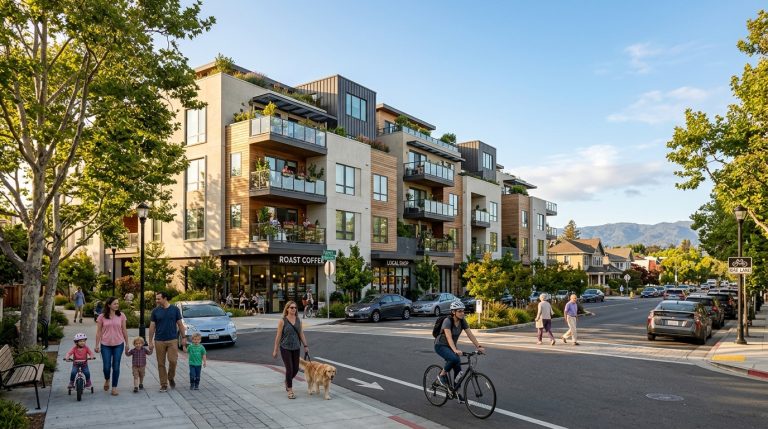
Do not rely only on early renderings shared online. A conceptual image may change many times before a final development receives approval.
The same rule applies to housing numbers. Until a development team prepares a formal project, the earlier 70 to 104 unit range remains a planning concept.
Downtown housing can also affect the businesses and services around it. More residents may create additional everyday demand for restaurants, coffee shops, shops, and other local services.
Readers can explore our Redwood City dining guide for a look at the types of restaurants and gathering places already found around the city.
The Redwood City Library Lot B housing 2026 discussion is important because it brings several community goals together on one small Downtown site.
The City wants to create more affordable homes. Residents also rely on public parking and easy library access. Downtown planning adds another layer because the property sits close to jobs, transit, restaurants, and civic facilities.
There is no final answer yet. That is exactly why the current public-input stage matters.
The October 6 open house has passed, but the online survey remains open through October 20. After that, City staff will summarize what the community said and bring the findings back to the City Council.
The best way to follow the project is to separate each stage clearly. Community outreach is happening now. A final project has not been approved. No developer has been selected. Construction does not have a start date.
For current project information and the community survey, visit the City of Redwood City Housing Developments page.